The Real Reason Your Basement Leaks and How to Fix It for Good
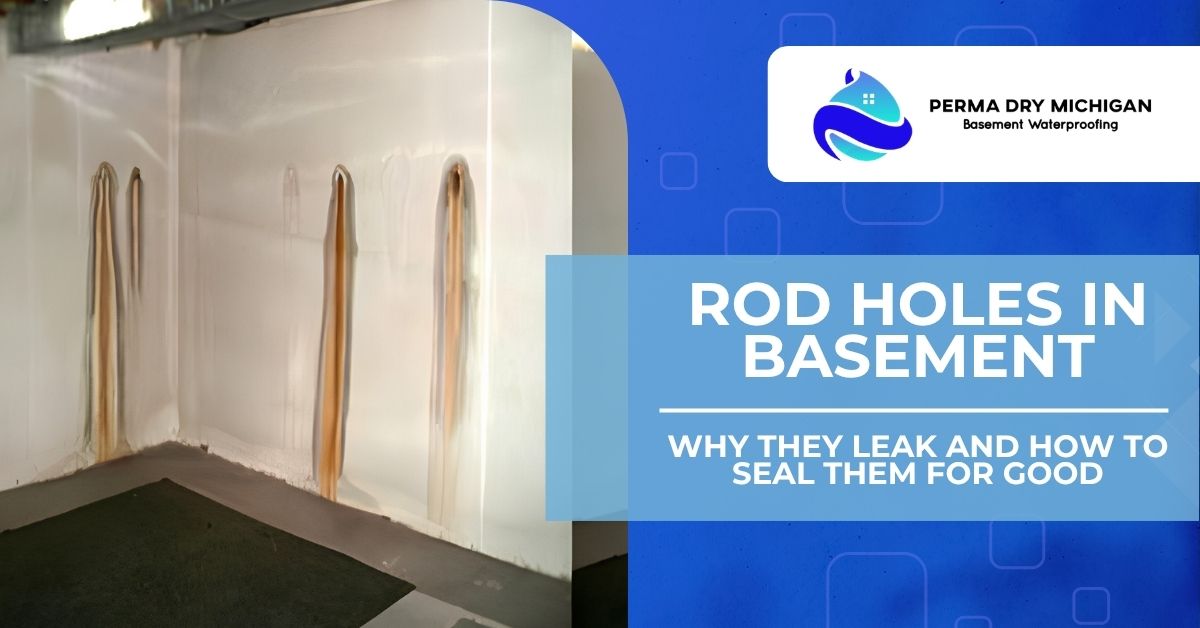
You’ve mopped the same corner more than once. You’ve patched a crack, run a dehumidifier, maybe added a sump pump, and water still shows up after every hard rain. That repeating pattern usually means the problem starts outside your wall, not inside your basement.
Here’s the truth many homeowners never hear: excavation isn’t always necessary, but sometimes it’s the only permanent answer. This guide explains what exterior basement waterproofing does, why water keeps reaching your foundation in Southeast Michigan, and exactly when digging outside beats another interior patch. By the end, you’ll know whether your home needs excavation, interior drainage, or a simpler drainage fix, so you spend money once on the right solution.
Why Water Keeps Reaching Your Basement Wall
Southeast Michigan sits on clay-heavy soil. Clay holds water instead of draining it, so spring snowmelt and heavy rain pool around your foundation and press against the wall. Engineers call that pushing force hydrostatic pressure, and it’s the top driver of wall seepage here.
Freeze-thaw cycles make everything worse. Groundwater freezes, expands, and thaws dozens of times each winter, widening every foundation crack a little more. Each season pushes more water toward the weakest points in your foundation wall.
Poor grading and short downspouts add fuel. When roof runoff dumps right beside the house, or the yard slopes toward the foundation, water concentrates on one buried wall.
Many homes in Livonia, Canton, and the wider Detroit metro were built between the 1940s and 1980s. Those older walls have already survived thousands of freeze-thaw cycles, so water finds openings the original builder never planned for. We see it constantly across older Westland and Plymouth housing stock: one dry decade, then sudden seepage on the wall facing the neighbor’s higher lot.
What to remember: Recurring seepage usually points to an outside water source, not a failed interior job.
What Exterior Basement Waterproofing Actually Is
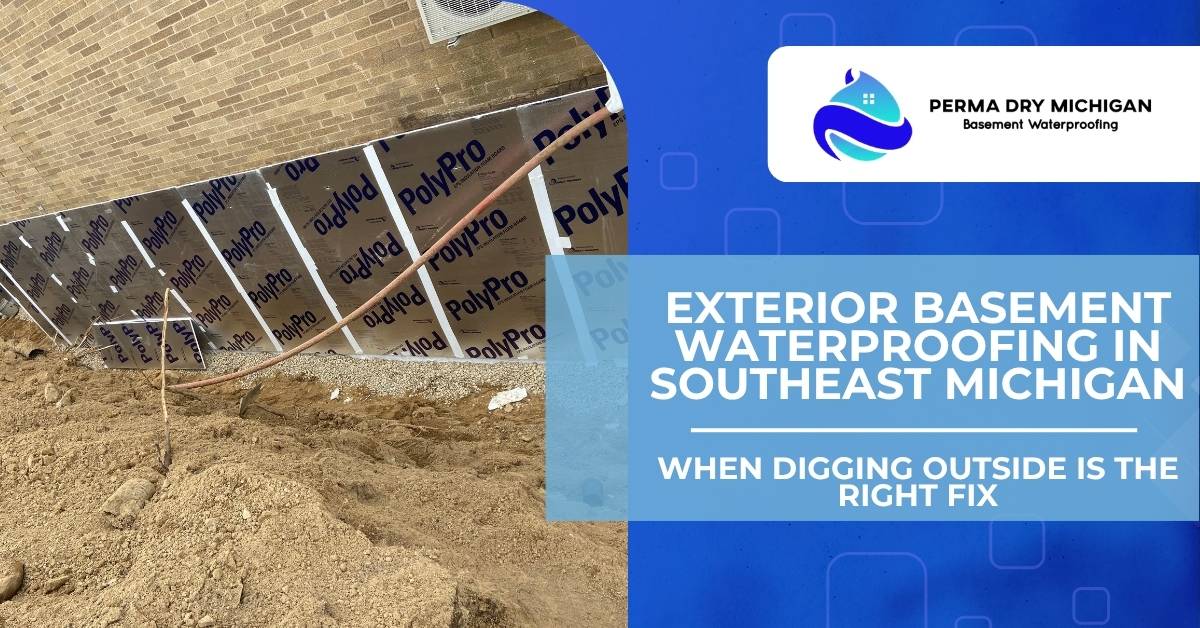
Exterior foundation waterproofing treats the problem where it starts: the outside face of the wall. Here’s how we do it.
- We excavate the soil down to the footing, exposing the full foundation wall.
- We clean the wall and repair every foundation crack we find.
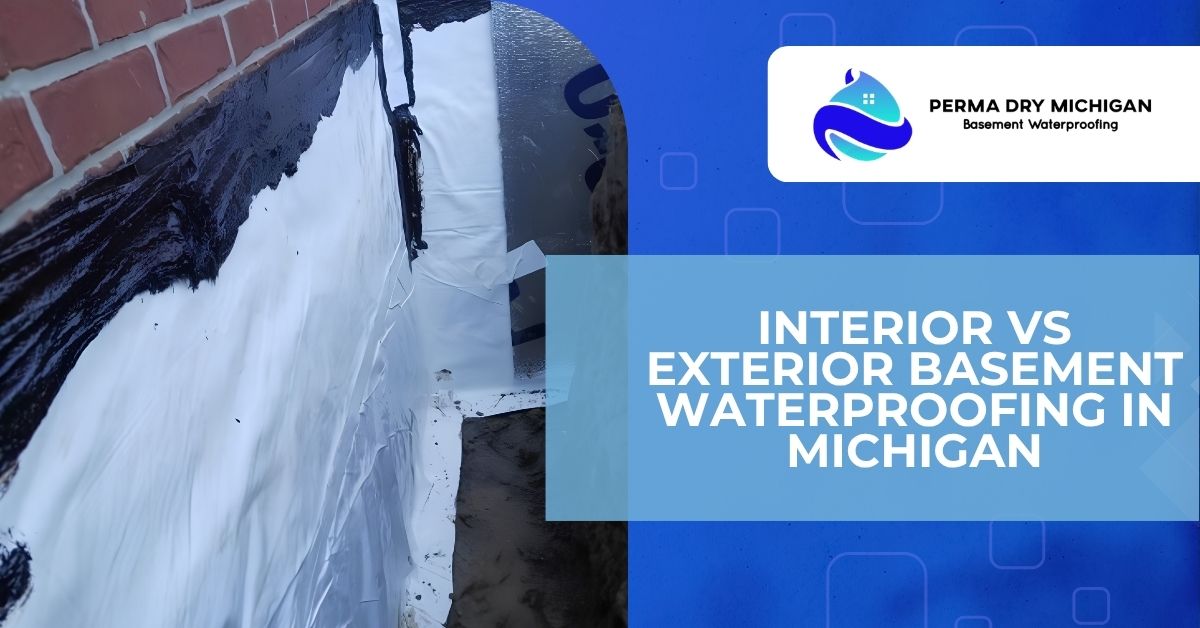
- We apply a durable waterproofing membrane plus a professional exterior waterproofing tar and seal barrier that blocks water.
- We upgrade the drainage system at the footing so groundwater flows away instead of pooling.
- We backfill and regrade the soil to move surface water off your foundation.
When you waterproof foundation walls outside this way, water never reaches the concrete. That’s the core difference from interior systems, which manage water after it’s already inside.
The Decision Framework: When Digging Outside Is the Right Fix
We won’t pretend excavation is always needed. Plenty of wet basements respond well to interior work or a simple drainage correction. Exterior foundation sealing earns its cost when the water source clearly sits outside and interior repairs keep failing.
Exterior Waterproofing Is Usually the Right Fix When:
- Seepage returns after every heavy rain, even after interior repairs.
- Water enters through the wall itself, not just the floor joint.
- You see multiple or widening foundation cracks along one wall.
- White, chalky efflorescence keeps reappearing on the same wall.
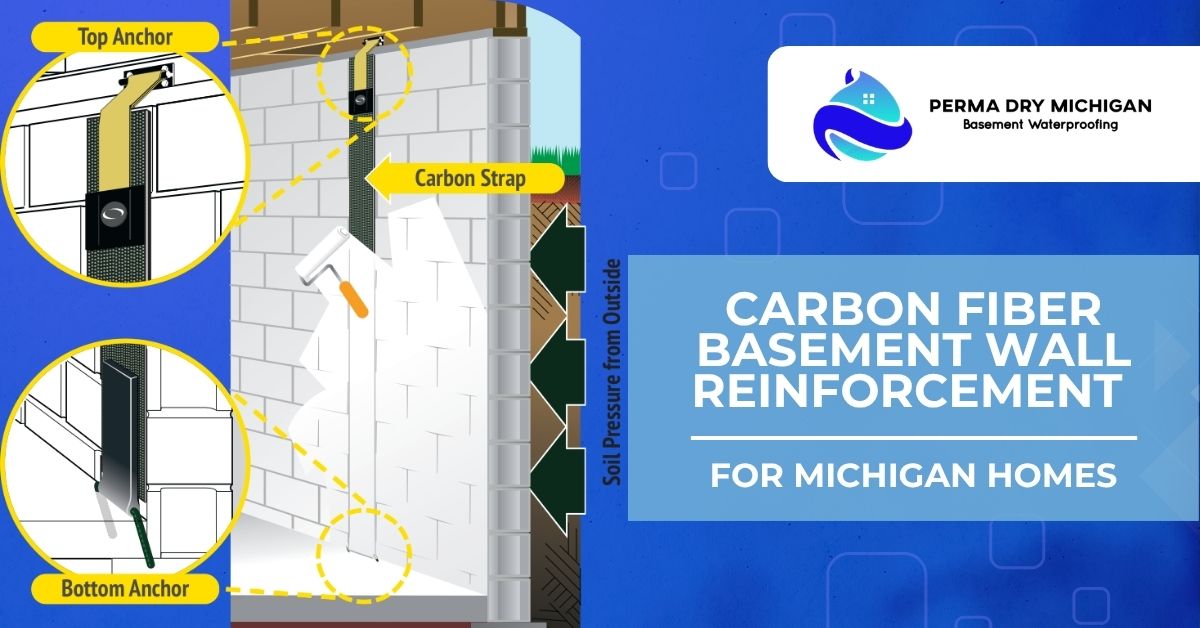
- A wall shows bowing or leaning from heavy soil and hydrostatic pressure.
- The wet wall faces a slope, a downspout, or a low spot in the yard.
If two or three of these match, foundation leak repair outside probably addresses the root cause.
Excavation May Not Be Necessary When:
- Water enters low, at the cove joint where the floor meets the wall.
- The seepage traces back to a downspout dumping beside the house.
- The yard grade pushes surface water toward the foundation.
- A single, stable crack is the only entry point.
In those cases, a targeted fix often solves the problem for far less money and disruption.
A Real Southeast Michigan Scenario
Picture a Livonia homeowner with a finished basement. Every spring thaw, water seeps through one buried wall that faces a higher neighboring lot. Interior patching held for a season, then failed again. That’s a textbook exterior case, because both the water pressure and the grading point outside the wall. Contrast that with a Belleville ranch where water only appeared at the floor joint after the gutters clogged: same symptom, completely different fix.
What to remember: Match the fix to where water enters, not to a single product.
When Interior Drainage Makes More Sense
Honesty builds trust, so here’s the other side. Sometimes digging outside adds cost without solving more. When water enters low, at the cove joint, an interior system usually wins.
An interior drain system that captures and redirects water shines when disruption matters, when landscaping is costly to restore, or when the source is manageable groundwater at the floor line. Paired with a reliable sump pump, it keeps basements dry with far less digging. Some homes need both methods, and we’ll tell you when that’s true, and when it isn’t.
Exterior Waterproofing vs. Interior Drainage
Both keep basements dry. They solve different problems. Use this table to see which fits your situation.
| Factor | Exterior Waterproofing | Interior Drainage System |
|---|---|---|
| Best fit | Water pushing through the wall from outside | Water entering at the floor and wall joint |
| Where water enters | Through the basement waterproofing exterior wall | At the cove joint or floor |
| Main goal | Stop water before it reaches the wall | Collect and redirect water already inside |
| Disruption level | Higher: excavation and landscaping restoration | Lower: work stays inside |
| Common paired services | Tar and seal, membrane, footing drainage | Sump pump, drain tile, vapor control |
What Affects Exterior Basement Waterproofing Cost
Exterior basement waterproofing cost runs higher than interior drainage because excavation, labor, and restoration take more time and equipment. We won’t quote a number online, because honest pricing depends on your specific foundation. Several factors move the price.
- Wall length and depth: More wall and deeper footings mean more excavation.
- Access: Tight side yards, decks, or hardscape slow the dig.
- Landscaping restoration: Mature plantings and patios add cleanup work.
- Crack severity: Multiple or structural cracks require more repair.
- Drainage corrections: New footing drains or regrading affect scope.
- Single wall vs. full perimeter: Treating one wall costs far less than all four.
The smarter question isn’t just the price. It’s whether you’ll fix this once or three times. Repeated cleanup, ruined drywall, and mold remediation cost real money. The EPA confirms that controlling moisture is the single most effective way to prevent mold indoors, which protects your family’s air and your home’s resale value.
Why Generic Waterproofing Advice Fails Homeowners
Many waterproofing pages stay vague. They blur the difference between wall seepage and floor-joint seepage, so homeowners can’t tell what they’re actually dealing with. Some push one system for every house. Others skip the harder truth: that better yard drainage or a single targeted crack repair sometimes solves the problem without any excavation at all.
We work differently. We diagnose the cause first, then recommend the right mix for your foundation. Sometimes that means foundation crack repair for a single leaking crack instead of a full dig. Other times, better yard drainage and downspout extensions to redirect roof water fixes a problem you assumed required digging. A complete basement waterproofing plan often blends several of these, matched to what your home truly needs. Think of it as a family of solutions, not a single sales pitch.
You Won't Get Sold the Wrong Fix
Before you call anyone, know this. We won’t dig if a downspout extension solves it. We won’t recommend a full perimeter job if one wall is the problem. We give you an itemized estimate, explain the cause in plain language, and match the fix to what your foundation actually needs. That’s the whole point of a diagnosis-first approach.
Local Experience You Can Trust
Perma Dry Michigan is a family-owned, locally operated company serving Southeast Michigan, including Plymouth, Canton, Westland, Livonia, Detroit, Romulus, Wayne, Ypsilanti, Pittsfield Township, and nearby Downriver communities like Taylor and Southgate. We’re licensed, certified, and listed with the Better Business Bureau with an A+ rating.
Owner Matt West has led the team since 2023, carrying forward a mission to protect the safety, comfort, and property value of homes across the region. We know local clay soil, local weather, and older Detroit metro housing stock, so our recommendations reflect what really happens to basements here.
Ready for a Permanent Fix? | Schedule An Estimate Today!
You shouldn’t dread every forecast. If your basement leaks through the wall despite interior repairs, shows widening cracks, or seeps on the side facing a slope, exterior basement waterproofing may finally end the cycle. If a simpler fix will do the job, we’ll tell you that, too.
Stop paying to solve the same problem twice. Request a free estimate from Perma Dry Michigan, and we’ll diagnose the real cause, then recommend the right solution for your home.
Frequently Asked Questions About Exterior Basement Waterproofing
Exterior basement waterproofing seals the outside of your foundation wall so water can’t get through. We excavate to the footing, repair cracks, apply a waterproofing membrane and tar and seal barrier, then improve footing drainage. It stops water at the source instead of managing it after entry.
We dig down to expose the full foundation wall, clean it, and repair every crack. Then we apply a waterproofing membrane and tar and seal, upgrade the drainage system, and regrade the soil. Water gets blocked before it reaches the concrete.
Neither is universally better. Exterior work suits water pushing through the wall from outside. An interior drainage system handles water entering at the floor joint. The right choice depends on where your water enters, which is why we diagnose first.
Cost varies with wall length, depth, access, crack severity, and landscaping restoration. It typically costs more than interior drainage because excavation takes more labor. We provide a clear, itemized estimate after inspecting your foundation, so you know exactly what you’re paying for.
Recurring leaks usually mean the water source sits outside the wall. Clay soil holds moisture, and hydrostatic pressure forces groundwater through cracks that interior patches can’t reach. Freeze-thaw cycles reopen those cracks each winter, so the problem returns until you treat the exterior.
Yes. If only one wall leaks, we can excavate and seal that section instead of the full perimeter. Treating a single wall costs far less, and it’s often the right call when the water source is concentrated on one side of the house.
No. Many wet basements respond to interior drainage, crack repair, or better yard drainage. Excavation is the right fix only when water enters through the wall itself and other methods keep failing. We recommend it when the evidence supports it, not by default.
Clay-heavy soil holds water against foundations, and freeze-thaw cycles widen cracks each winter. Spring snowmelt and heavy rain raise groundwater fast. Older Detroit metro homes carry decades of seasonal wear, which makes them especially prone to wall seepage.
Excavation disturbs soil and nearby plantings, so we plan carefully and restore the area with backfilling and regrading. We discuss landscaping impact during your estimate, so there are no surprises before we dig.
Editorial Note: Every foundation is different, so the right solution and total scope depend on where water enters, site access, soil conditions, and the condition of the wall at the time of inspection. The right recommendation starts with an on-site inspection.