Michigan Basement Waterproofing: What to Check Before the Ground Freezes
A wet basement rarely starts as a flood. It starts as a whisper: a faint musty smell, a chalky streak on the wall, a damp patch that dries and returns. Then the first freeze arrives, water expands inside a hairline crack, and the whisper turns into a leak.
Why Southeast Michigan Basements Take a Beating
Our region rests on dense, clay-heavy soil. Clay grips water instead of draining it, so moisture collects against your foundation walls and lingers. When that saturated soil freezes, it swells and presses inward, a force known as hydrostatic pressure.
Most online advice skips these details entirely. Generic checklists say “seal the cracks” without mentioning Michigan clay, freeze-thaw stress, or why fall timing decides the outcome. We wrote this guide to fill that gap with what we find on-site.
Your Fall Basement Inspection, Step by Step
Walk these checks before the first hard freeze. Each takes only minutes, and together they reveal whether your basement can handle winter.
- Check your grading. Soil should slope away from the foundation, dropping at least 6 inches over the first 10 feet.
- Follow your downspout discharge. Downspouts should release water at least 5 feet from the wall, not pool it against the foundation.
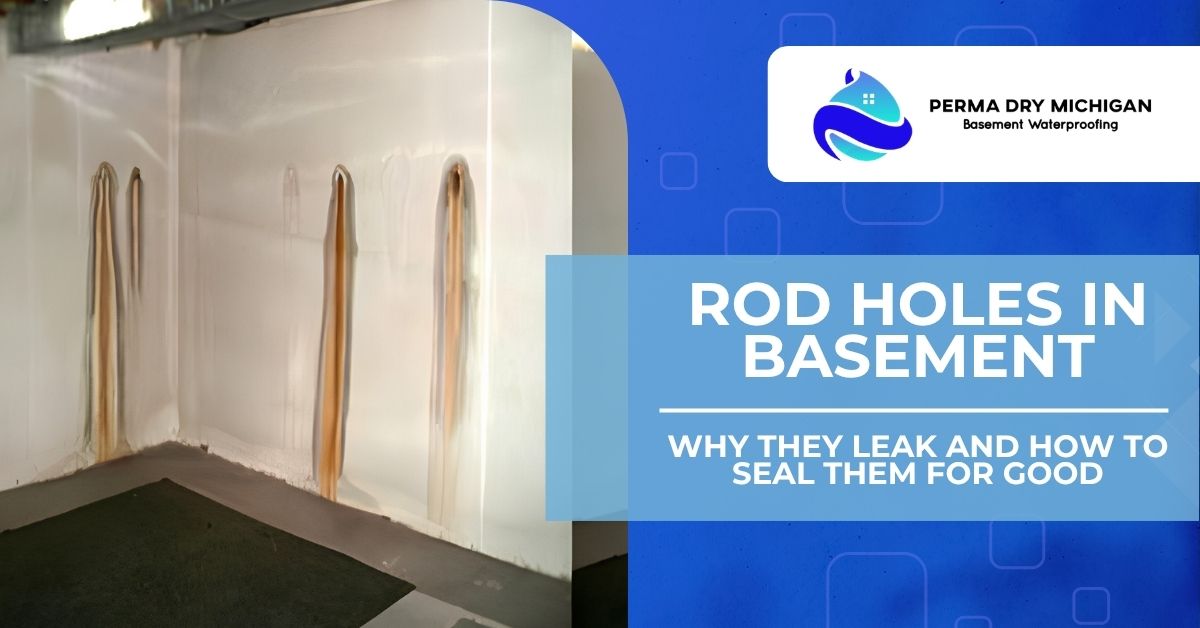
- Inspect the foundation walls. Look for cracks, chalky white residue, damp spots, or any inward bowing.
- Test your sump pump. Pour a bucket of water into the pit and confirm the pump kicks on and drains cleanly.
- Trust your nose. A musty odor flags hidden moisture long before you ever see standing water.
- Clear your window wells. Pull out leaves and debris, then confirm the covers sit tight.
How to Read What You Find
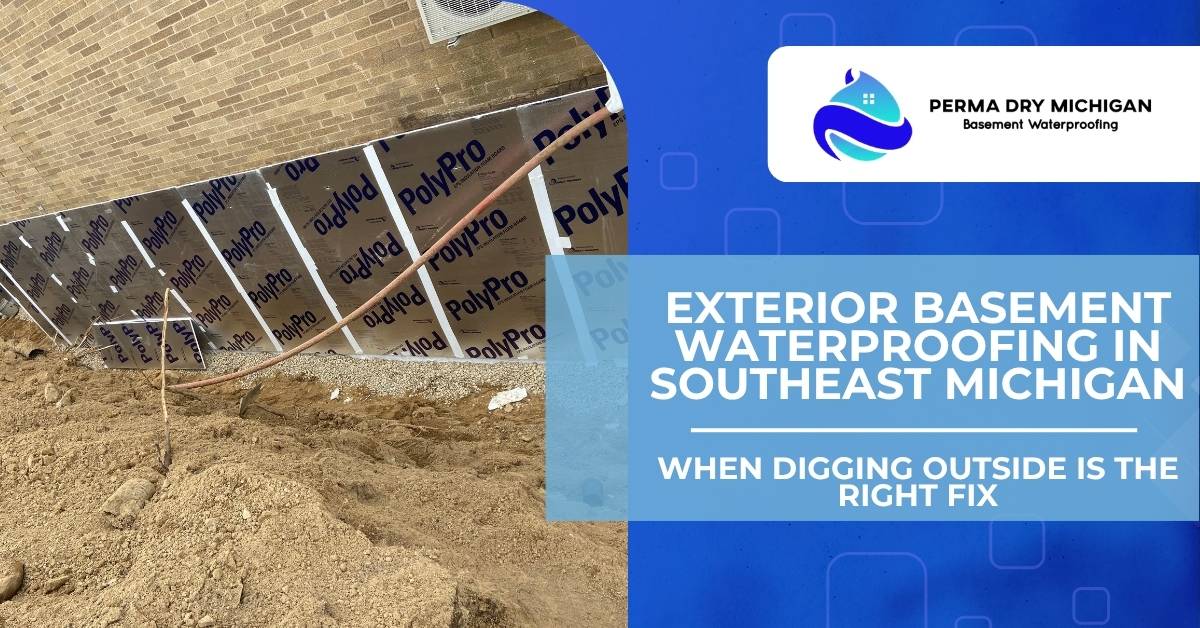
That musty smell deserves more respect than most homeowners give it. It means moisture already lives in the space, often well before water pools on the floor. Water in the basement after rain typically traces back to grading or drainage, not just a wall defect, which is why the lasting fix often begins outside.
Match the Symptom to the Right Fix
Different problems need different solutions, and blanket promises are exactly where one-size-fits-all contractors stumble. Use this table to connect what you see to the smartest next move.
| Symptom | What It Usually Means | Urgency | Best Next Move |
|---|---|---|---|
| Damp walls or active seepage | Hydrostatic pressure, poor drainage | Moderate | Interior or exterior basement waterproofing |
| Widening or horizontal cracks | Foundation movement, freeze-thaw stress | High | Professional foundation crack repair |
| Water pooling during storms | Failing pump, high water table | High | Sump pump replacement or battery backup |
| Bowing or leaning walls | Soil pressure against the foundation | Urgent | Structural evaluation and wall stabilization |
| Standing water near the house | Grading and downspout runoff | Moderate | Drainage correction and downspout extension |
| Musty smell, no visible water | Trapped humidity, hidden seepage | Low to moderate | Moisture assessment and waterproofing review |
Get Your Sump Pump Ready for Winter
Your sump pump works hardest during thaw cycles and heavy fall rain, the exact moments a failure costs you the most. Test it before winter, not after your first soaked floor.
When to Call a Professional
Some jobs belong to you. Grading adjustments, downspout extensions, and gutter cleaning all fit a capable homeowner’s weekend.
That inspection-first approach is where we stand apart. We pin down the real cause before proposing anything, because a new pump won’t cure a grading problem, and a patched crack won’t hold back hydrostatic pressure. The Environmental Protection Agency points to moisture control as the key to preventing indoor mold, so an accurate diagnosis protects your family’s health, not just your property value.
How Perma Dry Michigan Solves Each Problem
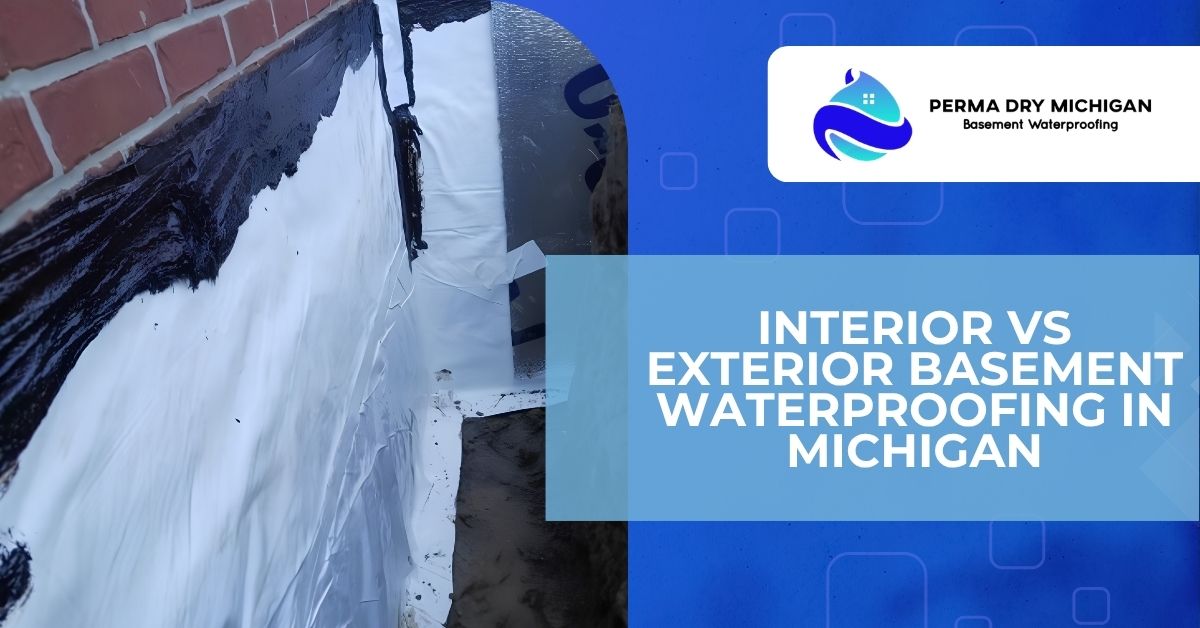
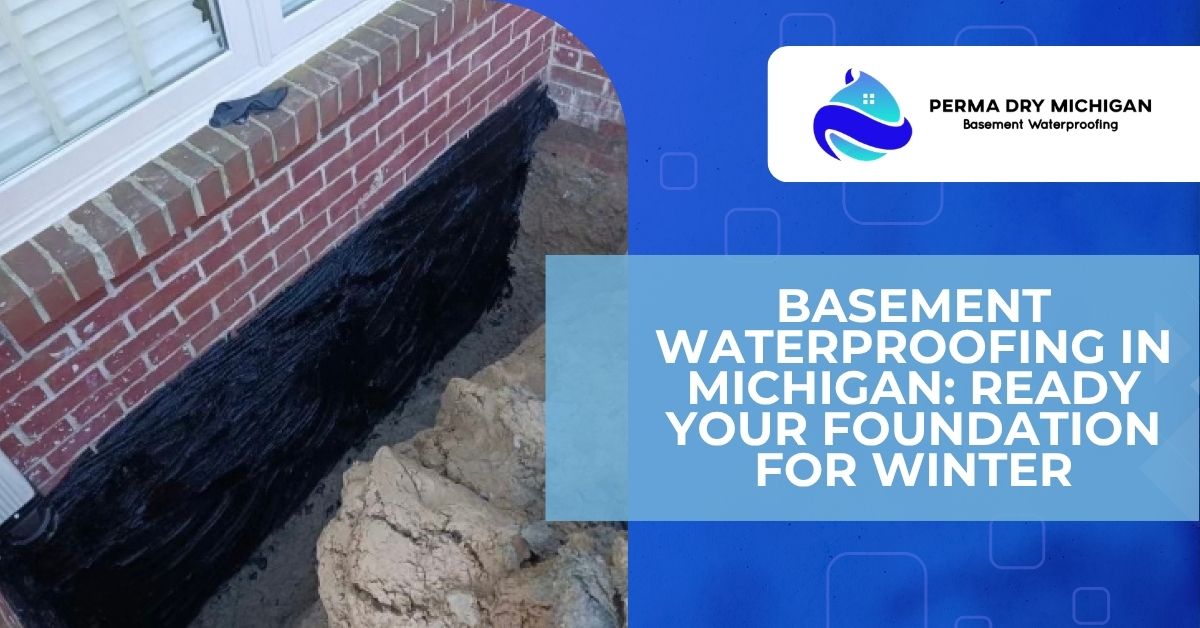
Spot moisture, seepage, or repeated dampness? Our basement waterproofing solutions seal your foundation against clay-soil moisture and hydrostatic pressure using proven interior and exterior systems designed for Michigan conditions.
Beat the First Freeze | Schedule Your Basement Waterproofing Consultation with Perma Dry Michigan
Run this checklist this weekend. If you find cracks, seepage, drainage trouble, or a struggling pump, act while the ground still cooperates. Request your free estimate, and let our team inspect your home, name the real problem, and match you with the right solution before the cold sets in. Your foundation carries everything above it. Give it the protection it deserves.
Frequently Asked Questions | Basement Waterproofing in Michigan
Fall is the sweet spot. The ground stays workable, and you fix problems before freeze-thaw cycles and snowmelt strain your foundation. Waterproofing before the first hard freeze heads off leaks, mold, and pricey emergency repairs.
Rainwater usually gets in through poor grading, downspouts dumping too close to the wall, or hydrostatic pressure from saturated clay soil. Southeast Michigan’s dense soil holds moisture against your foundation and drives it through cracks and joints.
Disclaimer: This content offers general guidance only and doesn’t replace a professional, on-site inspection. Basement and foundation conditions vary by home. Consult a licensed contractor before making repair decisions.