Interior vs. Exterior Waterproofing: How to Choose the Right Fix
Heavy rain rolls through Plymouth overnight. You head to the basement the next morning and catch that damp, musty smell before you spot the dark line creeping along the base of the wall. If you own an older home anywhere across Metro-Detroit, you know this scene too well.
We’ve dried out thousands of basements across Southeast Michigan, and we know the choice ahead feels heavy. Dig around your foundation, or manage the water from inside? Here’s how to decide, plainly and honestly, so you invest once and stay dry for good.
Why Southeast Michigan Basements Leak
Our region gives basements a rough deal. Pinpointing the cause points you straight to the correct fix.
- Clay soil holds water against your foundation wall instead of draining it away.
- Freeze-thaw cycles swell and shrink the ground all winter, stressing walls and widening cracks.
- Spring rain and snowmelt raise the water table, pushing moisture up through floors and joints.
- Hydrostatic pressure builds as saturated soil forces water through any weak point below grade.
That pressure is the real villain. Waterlogged ground presses against every surface underground, and water finds the easiest path in a foundation crack, a porous block, or the cove joint where the wall meets the floor.
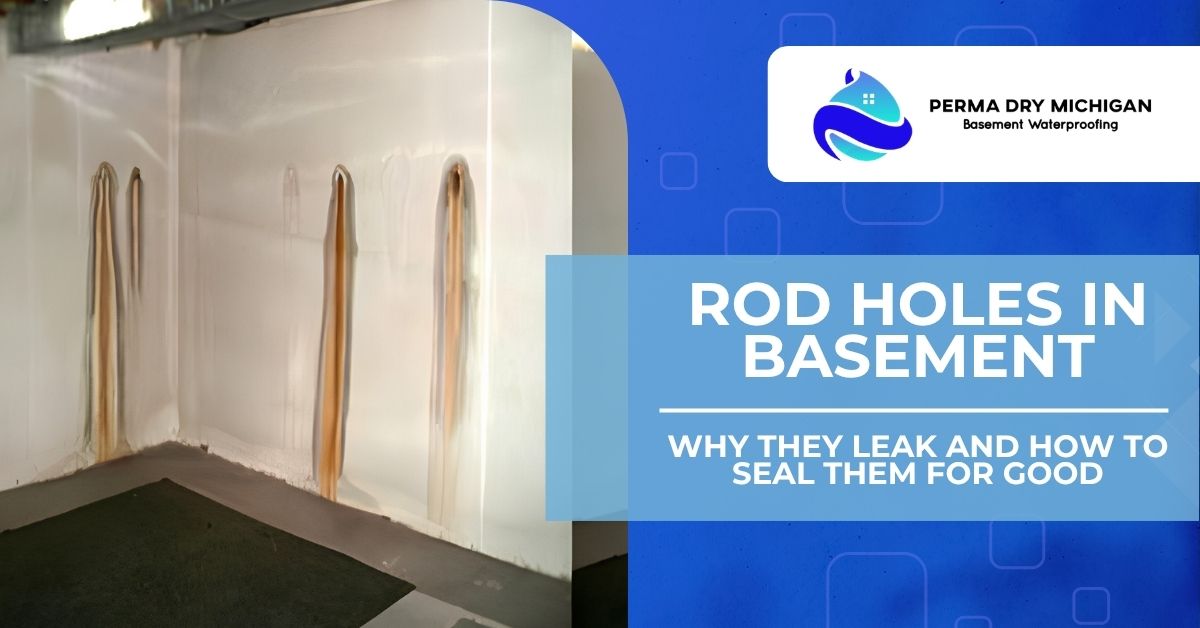
Learn the warning signs early. Damp walls, a chalky white residue called efflorescence, musty odors, or standing water all flag trouble. Left alone, chronic moisture fuels mold growth, which the U.S. Environmental Protection Agency links to respiratory and allergy symptoms.
How Interior Basement Waterproofing Works
An interior basement drainage system captures water once it enters, then routes it out before it can pool. It’s the lower-disruption, budget-friendly path for many homes.
We install a perimeter footing drain along the inside edge of your basement floor. That channel collects water and directs it to a sump pump, which sends it safely away from your foundation. A backup sump pump keeps working during power outages, exactly when storms hit hardest.
When Interior Drainage Is the Smarter Choice
Choose interior drainage when:
- Water enters low, through the floor or cove joint, rather than a single wall breach.
- Excavation is blocked by driveways, decks, porches, or mature landscaping.
- You want a faster, more affordable fix that leaves your yard intact.
- You need dependable water management without a multi-week project.
Our interior drain systems and sump pump installation relieve hydrostatic pressure from inside and keep basements dry through every Michigan season.
How Exterior Basement Waterproofing Works
Exterior basement waterproofing stops water before it ever touches your foundation. It’s the longest-lasting fix because it treats the source, not the symptom.
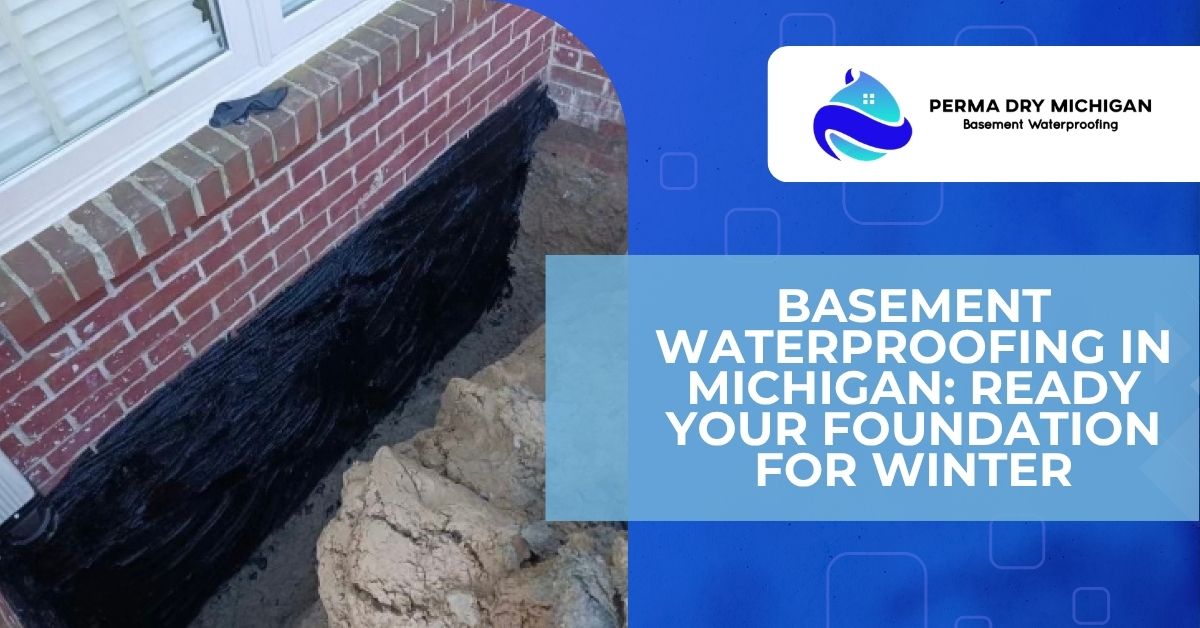
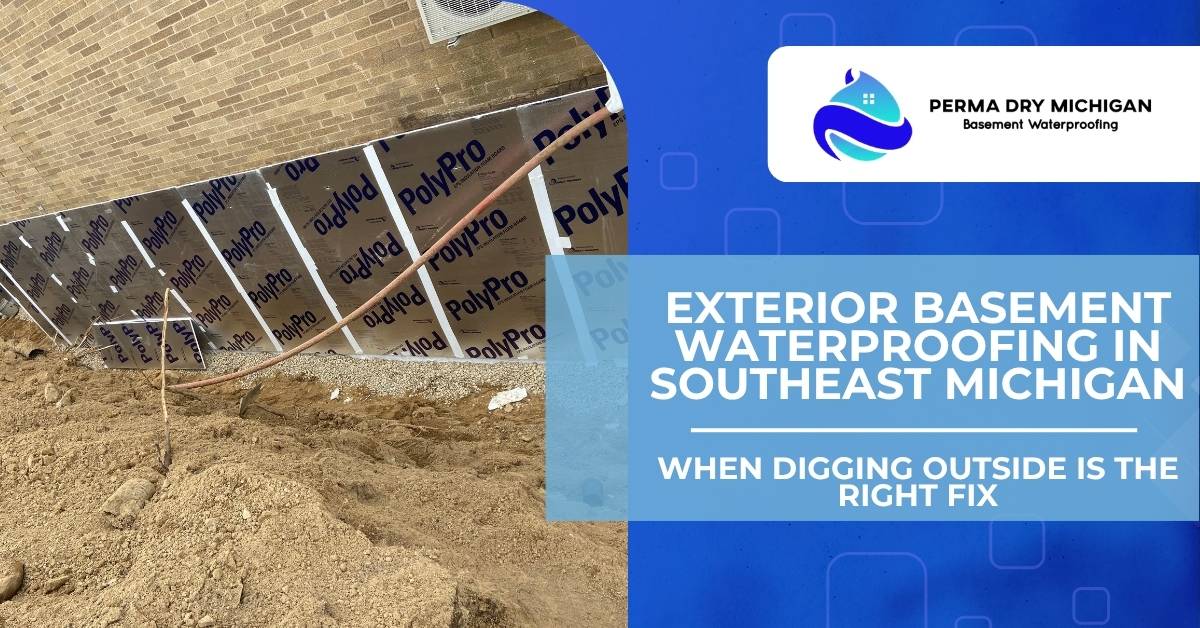
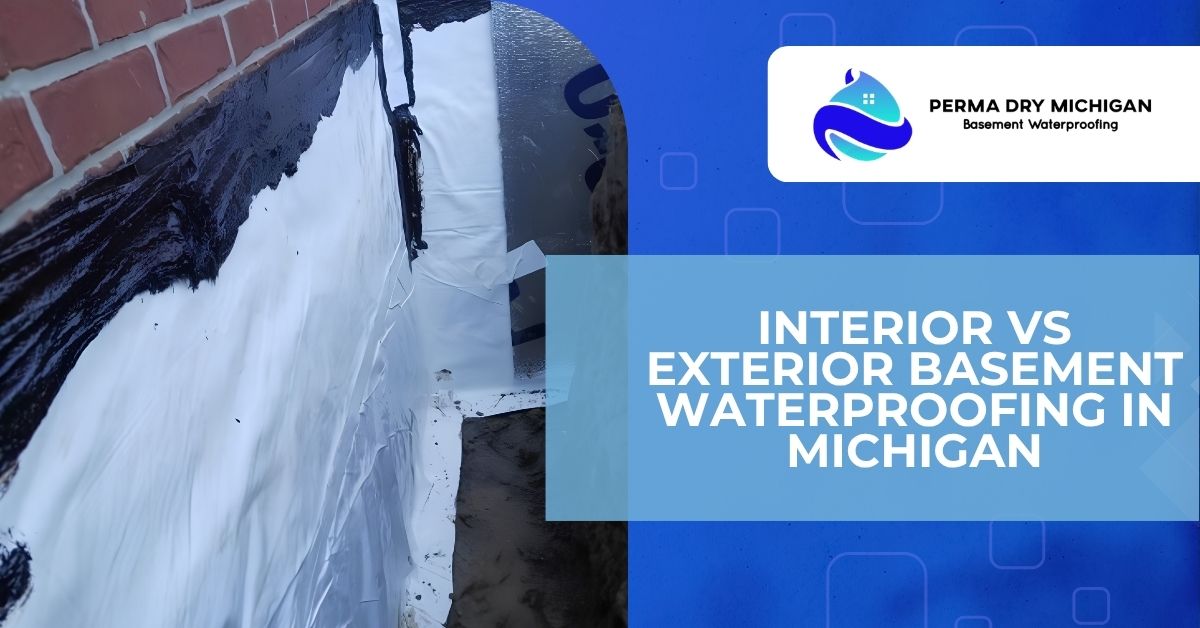
We perform exterior excavation down to the footing, then clean and prep the foundation wall. Next, we apply a tar coating and a waterproofing membrane to seal the surface. A drainage board channels water down to a new footing drain, and we backfill to protect the system for decades.
When Exterior Waterproofing Earns the Higher Investment
Choose exterior waterproofing when:
- Water pushes through cracks or porous block from the outside.
- You want the most durable, source-level protection.
- You plan to finish or refinish your basement and can’t risk future seepage.
- Structural cracking needs sealing at the true source.
Our exterior waterproofing tar and seal service builds a full barrier engineered for Southeast Michigan’s clay soil and freeze-thaw stress.
Interior vs Exterior: A Side-by-Side Comparison
Many comparison pages gloss over the real tradeoffs or wave vaguely at price. We won’t. Here’s a straight breakdown to guide your call.
| Factor | Interior Drainage | Exterior Waterproofing |
|---|---|---|
| Where water appears | Floor, cove joint, base of wall | Through wall cracks or porous block |
| What it solves best | Managing water that already enters | Stopping water at the source |
| Disruption | Minimal, mostly inside | Significant, requires excavation |
| Relative cost | Lower upfront | Higher upfront |
| Longevity | Long with basic maintenance | Longest, source-level |
| Best-fit use case | Seepage after rain, blocked excavation | Wall leaks, finished-basement plans |
| Maintenance | Periodic sump pump checks | Minimal once backfilled |
| Consider a combined system when | Water enters from several points or you want full protection before finishing a basement |
For plenty of homes, especially older ones across Wayne County and Downriver communities, the smartest answer blends both. We seal the source outside where practical, then add interior drainage and a sump pump for complete coverage. During your free estimate, we tell you honestly when one method is enough and when both earn their keep.
What Affects Exterior Basement Waterproofing Cost
Homeowners searching “exterior basement waterproofing cost” or “exterior basement waterproofing near me” deserve straight answers, not a fake flat rate. Here’s what shapes your investment:
- Depth and length of excavation around the foundation.
- Access obstacles like driveways, decks, or established landscaping.
- Foundation wall condition and the number of cracks to seal.
- Soil conditions, since dense clay takes more work to remove and backfill.
- Added components such as a new footing drain or drainage board.
Interior systems usually cost less upfront because they skip excavation. Exterior systems cost more but often deliver the most permanent result, which can save you from paying twice. We hand you a clear, itemized quote so you know exactly what you’re paying for and why.
How We Inspect and Recommend
We don’t prescribe the same fix for every home, because no two basements leak the same way. Our diagnostic approach reflects how we protect Southeast Michigan homes for the long haul.
Here’s what we examine during a free inspection:
- The entry point. Water at the cove joint often points to interior drainage. Water through a cracked wall often leads to exterior repair.
- Wall condition. We check for foundation cracks, bowing, efflorescence, and moisture staining.
- Grading and runoff. Poor exterior drainage and short downspouts frequently cause avoidable basement seepage.
- Your plans. Finishing a basement or preparing for resale shifts the math toward source-level protection.
Then we explain your options in plain language, match the solution to your home, and respect your budget. That transparency drives our mission: quality basement waterproofing and foundation crack repair that protect your health, comfort, and property value for years.
Good grading and gutter discharge matter more than most homeowners realize. Managing surface water is your first line of defense.
Don't Wait for the Next Storm | Request a Free Estimate from Perma Dry Michigan
A dry basement protects your family’s health, your foundation, and your home’s value. Whether you need interior drainage, exterior waterproofing, or a smart combination of both, we’ll recommend the fix that suits your home in Livonia, Westland, Wayne, Romulus, Taylor, or anywhere across Southeast Michigan.
Book your free basement waterproofing estimate today. We’ll inspect your basement, walk you through your options, and hand you an honest, itemized quote with zero pressure.
Frequently Asked Questions About Interior vs Exterior Basement Waterproofing
Neither wins universally. Interior drainage manages water quickly and affordably, ideal for floor and cove seepage. Exterior waterproofing stops water at the source and lasts longest, ideal for wall cracks and porous foundations. The right choice depends on where water enters your home.
Cost varies by excavation depth, wall condition, soil type, and access obstacles. Exterior systems cost more than interior drainage because they require excavation, but they often deliver the most permanent result. We provide a clear, itemized estimate after inspecting your basement.
Often, yes. If water enters through the floor or cove joint, an interior drainage system and sump pump manage it without digging. If water pushes through a cracked or porous wall, exterior waterproofing or foundation crack repair usually delivers a better long-term result.
Clay soil, freeze-thaw cycles, and spring snowmelt raise the water table and build hydrostatic pressure against your foundation. That pressure forces water through cracks, porous block, and cove joints, especially in older homes across Wayne County and Metro Detroit.
No. Many wet basements respond well to interior drainage and a sump pump, especially when water enters low or through the floor. Excavation makes sense when water pushes through the wall itself or when you want the most durable, source-level protection.
An interior drain system removes standing water and lowers moisture, which reduces the conditions mold needs to grow. For lasting results, pair it with humidity control and address any existing mold, since the EPA links basement moisture to respiratory and allergy issues.
Disclaimer: This article is provided for general informational purposes only. Basement waterproofing needs vary based on foundation type, soil conditions, drainage patterns, and the source of water intrusion. Project scope and cost can also vary from home to home. A professional inspection is the best way to determine the right solution for your specific property.