
Comparing Basement Waterproofing Quotes in Southeast Michigan
There’s water in your basement, and you need it fixed. You’ve collected two or three quotes, and they’re thousands of dollars apart. Now you’re stuck. You don’t want to overspend, and you don’t want to get taken advantage of either.
That worry makes sense. It’s also why the lowest number can look like the safe choice. In many cases, it isn’t. A low bid often reflects a smaller scope, lighter materials, or installation shortcuts that don’t show up until the water comes back. When that happens, you pay twice: once for the first job and again for the fix.
This guide explains what drives basement waterproofing cost in Southeast Michigan, where low bids tend to cut corners, and how to compare quotes so you’re paying for a system that lasts. If you’re comparing estimates in Plymouth, Canton, or Livonia, Perma Dry Michigan can review your quotes with you as part of a free estimate.
What Drives Basement Waterproofing Cost
Quotes that sound like “the same job” often aren’t. Each proposal is built from a handful of cost drivers, and once you understand them, the gaps between quotes start to make sense.
System Type: Interior, Exterior, or Both
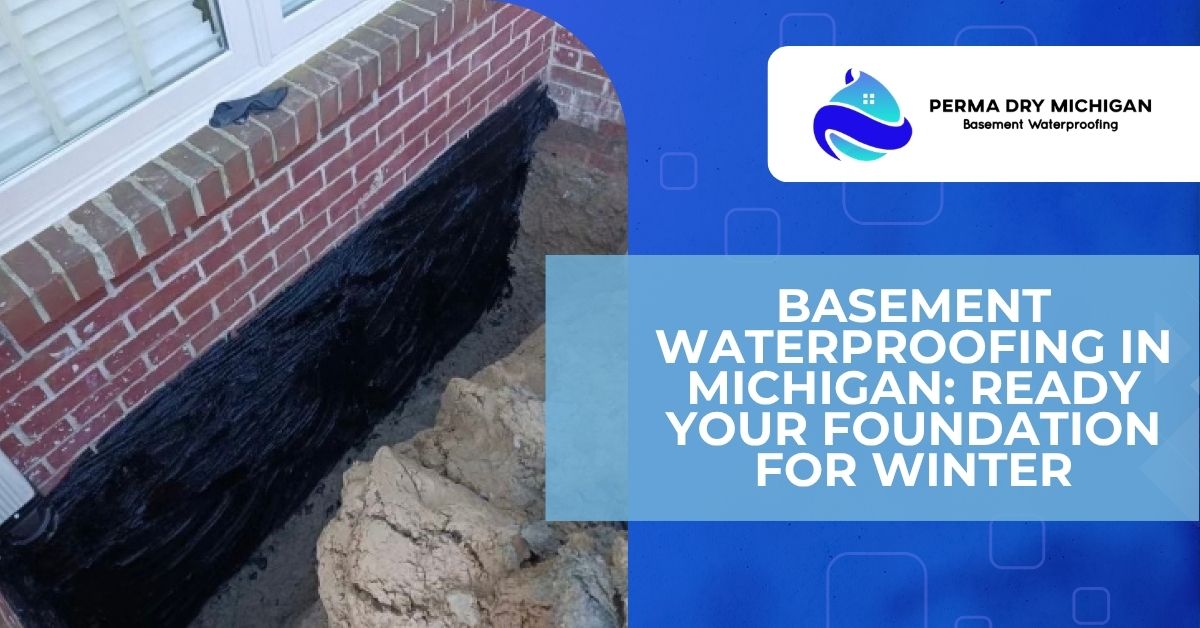
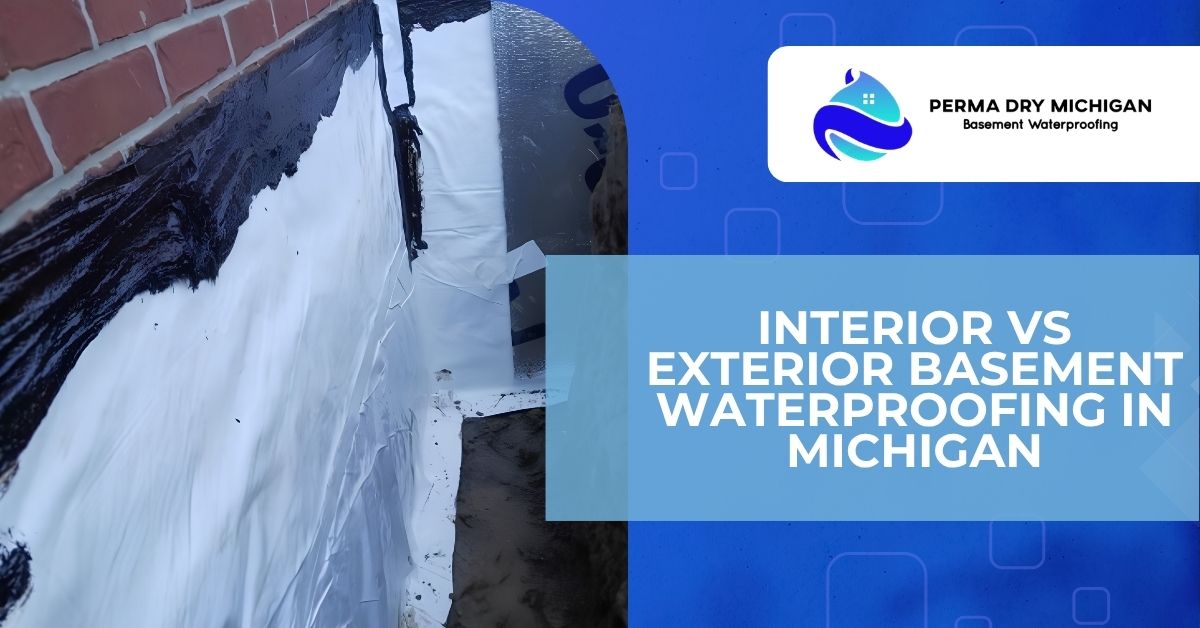
Interior and exterior systems manage water differently and require very different labor. Interior systems collect water and direct it to a controlled discharge point. Exterior work involves excavation and waterproofing measures on the outside of your foundation walls. Some homes need a combination. If one contractor quotes interior work and another quotes exterior work, you’re comparing two different projects.
Coverage Area
Many waterproofing systems scale with the length of wall they address. One quote might cover your full perimeter, while another covers only one or two walls. The partial job will cost less up front, but if water finds its way in along an untreated wall, that savings disappears.
Drainage Placement
Drainage language gets vague quickly. Phrases like “install drain tile” or “add drain” don’t tell you much. Where the drain sits, what areas it collects from, and how it ties into the discharge point all effect both cost and performance. Placement is also one of the easiest places for a low bid to cut corners, which we cover below.
Sump Pump Quality and Quantity
Some proposals include a sump basin and pump as a core part of the system. Others only plumb into an existing pit or treat the pump as optional. A backup pump adds protection, and some quotes include it while others list it separately or leave it out entirely. The discharge plan, meaning where water exits your home and routes outside, matters just as much as the pump itself.
Excavation Depth
Exterior waterproofing requires digging along the foundation. The depth and access involved change the labor, and labor changes the price. A quote that seems light on exterior work may be planning a shallower or more limited dig.
Finished Basement Access
Finished walls, flooring, built-ins, and storage areas all affect access. More access work means more labor. Price differences often come from what one contractor includes for demolition, protection, restoration, cleanup, and disposal, and what another quietly leaves out.
Related Repairs
Some estimates go beyond waterproofing. Foundation crack repair, wall stabilization, and yard drainage can all be part of a complete solution. If one quote includes these and another doesn’t, the totals won’t match, and the cheaper quote may leave the underlying problem unaddressed.
Warranty Terms
“Lifetime” doesn’t mean the same thing in every proposal. Coverage, exclusions, transferability to a future owner, and which work qualifies all vary. What’s written matters far more than what’s promised verbally.
How a Low Bid Can Hide Shortcuts
Not every low quote is a bad quote. Some contractors simply recommend a smaller scope. But when a price comes in far below the others, it’s worth asking what made it possible. In many cases, the savings come from shortcuts that aren’t visible once the floor is closed.
Drains Set on Top of the Footing
A drainage system belongs next to the footing, where it can collect water properly. Some installers set it on top of the footing instead because it takes less digging and less labor. The job looks finished, and the price looks better. But a drain in the wrong position can’t do its job the way it should, and water can keep finding its way into your basement.
Thinner Materials
Material quality is easy to overlook on a quote and hard to check after installation. Thinner materials cost less up front, which helps a contractor lower the bid. They also offer less durability over time, which can shorten the life of the system you paid for.
Limited Warranties
A low bid often comes with a narrow warranty. It may cover less, exclude more, or expire sooner. It may not transfer if you sell your home. When the warranty is thin, the risk of a future failure shifts from the contractor to you.
What Shortcuts Cost You Later
Shortcuts rarely save money in the long run. A misplaced drain, lighter materials, or a partial system can lead to repeat leaks. Repeat leaks mean new repairs, possible damage to finished spaces, and the cost of tearing out and redoing work you’ve already paid for. The quote that looked thousands of dollars cheaper can end up costing more than the one you passed on.
Proper Installation vs. Shortcut Installation
What Shortcuts Cost You Later
The drain sits next to the footing, where it can collect water and carry it to the sump. Coverage matches the areas where water is entering. Durable materials hold up over time. The sump setup and discharge plan move water out of your home and away from the foundation. A strong written warranty backs the work.
A Shortcut Installation
The drain sits on top of the footing to save labor. Coverage may stop short of the full problem area. Thinner materials lower the price but wear sooner. The sump and discharge details may be vague or incomplete. A limited warranty leaves you responsible when water returns.
A Quote-Decoder Checklist (Use This Before You Sign)
Bring every proposal back to written scope. Ask each contractor to spell out these items so you can compare quotes fairly:
- System type: Interior, exterior, or a combination.
- Coverage: Which walls are included, and whether it’s full perimeter or partial.
- Drainage placement: Where the drain sits relative to the footing, what it collects from, and where it routes water.
- Materials: What the system is made of.
- Sump setup: Whether a basin, pump, and backup pump are included or optional.
- Discharge plan: How water exits your home and where it routes outside.
- Excavation: For exterior work, the depth and extent of digging.
- Finished-area plan: What gets removed, protected, and restored, and who handles cleanup and disposal.
- Related repairs: Whether crack repair, wall stabilization, or yard drainage are included.
- Warranty: Full written terms, exclusions, and transferability.
If a proposal won’t clearly spell these out in writing, it’s not ready to sign.
Why Perma Dry Michigan Is the Smarter Investment
The best value isn’t the lowest number. It’s the system that keeps your basement dry, so you don’t pay for the same problem twice.
Perma Dry Michigan offers honest, transparent pricing. Our team looks at your basement before giving an estimate, so your quote reflects what your home needs, not a guess built to win the bid. You’ll see what’s included and why.
We provide interior and exterior basement waterproofing, with French drains included. We also install sump pumps and backup sump pumps, repair foundation cracks with high-pressure injection, stabilize basement walls with wall anchors, and handle yard drainage and downspout extensions. That means your estimate can address the full problem instead of just part of it.
Lifetime transferable warranties are available, depending on the type of work. That protection stays with your home, which adds value if you ever sell.
- Does the advice reflect local conditions? Southeast Michigan clay behaves differently from sandy soil elsewhere. Your plan should account for our ground and climate.
- Does it explain winter timing? Repair isn’t season-neutral here. Freeze-thaw urgency is real, and a credible contractor will say so.
- Does it match the fix to the symptom? Be wary of anyone who prescribes one product for every wall. A one-inch bow and a hairline crack call for different solutions.
- Does it address the root cause? Stabilizing a wall without managing hydrostatic pressure leaves the underlying threat in place. The strongest plans treat both structure and water.
Demand specifics. Vague, one-size answers usually signal a template, not an inspection.
Why Waiting Until Spring Costs More
A wall that leans a quarter inch today can shift further across a single winter, widening cracks, worsening basement seepage, and expanding the repair scope. What starts as a targeted stabilization job can grow into a larger foundation wall repair.
What to Do the Moment You Notice Movement | Contact Perma Dry Michigan
Take these steps as soon as you spot a bow or crack:
- Document the damage. Photograph the crack or bow and note the date.
- Measure the lean. Hold a level against the wall to gauge how far it tilts.
- Check for moisture. Look for staining, seepage, or efflorescence near the crack.
- Watch, but don’t wait through winter. Monitoring is fine. Ignoring is costly.
- Schedule a professional inspection. Ask whether stabilization alone solves it or whether drainage correction should support the repair.
Don’t gamble on another Michigan winter. Request your free estimate today and let our team assess your walls before the freeze deepens the pressure.
Frequently Asked Questions About Basement Wall Stabilization
Yes, when the wall is actively moving. Inward bowing signals sustained lateral soil pressure that worsens over time and can eventually threaten structural integrity. Schedule a professional inspection to confirm severity and the right repair.
It depends on the wall. Steel wall anchors suit walls under sustained pressure, while carbon fiber reinforcement fits early to moderate bowing. An on-site inspection determines which method delivers a lasting fix.
Waterproofing alone won’t straighten a bowing wall, but it addresses a root cause. Relieving hydrostatic pressure through drainage and waterproofing protects your stabilization investment and prevents recurring movement.
Wall stabilization addresses movement like bowing, leaning, or buckling. Crack repair seals cracks and stops seepage. Many walls need both, which is why an inspection is the reliable way to decide.
Disclaimer: This article offers general educational information about basement wall conditions and repair options. It isn’t a substitute for a professional on-site structural or waterproofing inspection. Every foundation varies by wall type, soil, drainage, and severity. Contact a qualified contractor to evaluate your situation, and treat any signs of rapid or severe movement as an immediate priority.